
Caricatronchi: What It Is, Why It’s Popular, and How This Fun Digital Art Style Works

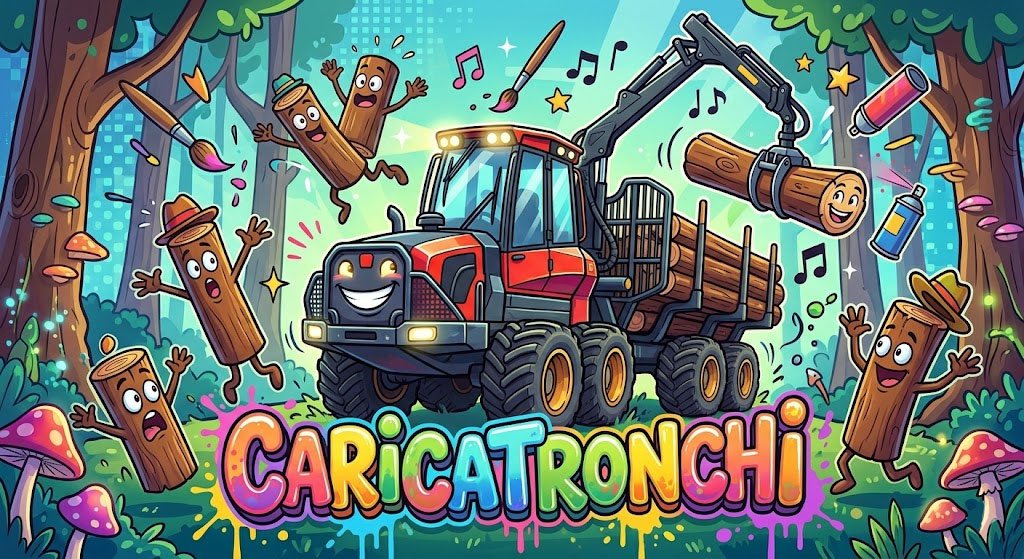
Caricatronchi is a fresh and exciting digital art style that has taken the internet by storm. It blends the old tradition of caricature drawing with modern digital tools to create bold, funny, and expressive artwork. The name itself comes from two words: “caricature,” which means a drawing that makes someone’s features look bigger or funnier than they really are, and “tronchi,” an Italian word that means trunks or fragments. When you put these ideas together, you get an art form that plays with exaggerated shapes, broken forms, and strong emotions. Whether you are an artist, a business owner, or just someone who loves creative things, Caricatronchi offers a playful and meaningful way to express yourself online.
Where Did Caricatronchi Come From?
The roots of Caricatronchi go back hundreds of years. During the Renaissance period in Europe, almost every artist had a side project doing caricatures. Artists like Leonardo da Vinci drew caricatures around 1500 using ink on paper, seeking to bring out aspects of grotesque humor by mimicking and satirizing elements of the human form. The goal was not to mock anyone but to show personality, humor, and sometimes social criticism through art.
Over time, caricature art grew and spread across Europe. Political cartoons became popular in newspapers, and street artists started drawing caricatures at fairs and festivals. Then, with the rise of computers and the internet, this old art form found a new home. With the rise of digital tools, Caricatronchi has moved from sketchbooks to screens, and artists now use graphic tablets, apps, and AI tools to create stunning caricature-inspired works. This is where Caricatronchi was born, at the meeting point of centuries-old artistic tradition and modern technology.
What Makes Caricatronchi Different From Regular Caricature?
Traditional caricature focuses mainly on making faces look funny by enlarging certain features like the nose, eyes, or mouth. It is often used for humor or political satire. Caricatronchi is a form of digital art where human-like expressions are shown using distorted body parts of the character and not just their facial expressions. It also uses bold colors and adds surreal or dreamlike elements to the artwork.
Another big difference is the emotional depth. While a regular caricature might make you laugh, a Caricatronchi piece can also make you think. Traditional caricature exaggerates physical traits to reveal personality or social critique, while Caricatronchi extends this idea inward, exaggerating emotional states, internal conflicts, and psychological fragmentation rather than outward appearance alone. This deeper layer of meaning sets Caricatronchi apart from simple cartoon drawings and gives it a place in serious artistic conversations.
Why Is Caricatronchi So Popular Right Now?
One of the biggest reasons for its popularity is social media. Platforms like Instagram and TikTok love bold and colorful images that grab attention quickly. In the age of scrolling and short attention spans, visuals must capture attention instantly, and Caricatronchi thrives in this environment because it emphasizes bold expressions, simplified shapes, and vibrant colors that stand out on screens. Artists share their work using hashtags like #Caricatronchi, which helps them reach thousands of new viewers every day.
The second reason is personalization. In a world full of polished selfies and generic profile pictures, people want something unique. Unlike generic avatars, Caricatronchi offers a unique representation of individuals, allowing users to showcase their personality in a fun and approachable way. Brands and businesses also use this style for mascots, marketing materials, and advertisements because it looks fresh, friendly, and memorable. On top of all this, AI-powered tools now allow anyone to generate these illustrations with a single click, making the style accessible to millions of people.
How Do Artists Create Caricatronchi Artwork?
The process usually starts with observation. Artists begin by looking at their subject and picking out distinct features like noses, eyes, or hairstyles, then sketch with the purpose of highlighting those characteristics to make them humorous. The artist makes those features bigger or more dramatic than they are in real life. This first step is all about capturing the essence of the subject.
After the sketch is ready, the artist moves to digital tools. Software like Procreate, Adobe Illustrator, or even AI art generators helps bring the drawing to life with vibrant colors, smooth lines, and creative textures. Artists no longer have to rely on pen and paper, because with Caricatronchi, a piece can be turned into a walking avatar, a 3D-printed sculpture, or even an augmented reality character. The final result is a bold, eye-catching image that balances humor with artistic expression.
Where Can You See and Use Caricatronchi?
Caricatronchi has found its way into many different areas of life. On social media, people use it as profile pictures, banner images, and shareable content. Caricatronchi portraits are perfect for profile pictures, banners, websites, and even marketing materials due to their eye-catching and unique style. Marketing teams create playful advertisements with exaggerated characters that catch the eye and stick in people’s memory.
Beyond marketing, Caricatronchi also plays a role in education, entertainment, and personal expression. Teachers can use Caricatronchi-style characters to create learning materials that are more engaging for younger students, while developers can integrate this style into gaming for a humorous dimension in character design. Some people even use it as a form of self-exploration, creating exaggerated self-portraits that reflect their inner emotions. As digital tools keep getting better, the possibilities for Caricatronchi will only continue to grow.
Conclusion
Caricatronchi is a modern digital art style that brings together humor, emotion, and technology in one creative package. It builds on the centuries-old tradition of caricature and adapts it for today’s digital world. With its bold visuals, deep emotional layers, and easy-to-use tools, it has earned a growing place in social media, branding, education, and entertainment. Whether you want to create your own Caricatronchi or simply enjoy the art, this exciting trend offers something for everyone.
Frequently Asked Questions (FAQs)
1. What does the word Caricatronchi mean?
Caricatronchi combines two words: “caricature,” meaning a funny drawing with exaggerated features, and “tronchi,” an Italian word meaning trunks or fragments. Together, it describes an art style that uses bold exaggeration and creative distortion.
2. Is Caricatronchi the same as a regular caricature?
Not exactly. Regular caricature focuses mainly on making faces look funny. Caricatronchi goes further by adding surreal elements, emotional depth, bright colors, and full-body distortion. It is a more modern and expressive version of the classic art form.
3. Can anyone create Caricatronchi art?
Yes! You do not need to be a professional artist. Many AI-powered tools and easy-to-use apps let anyone create Caricatronchi-style images. However, mastering the balance between humor and meaning takes practice and creativity.
4. Where can I find Caricatronchi artwork online?
You can find it on social media platforms like Instagram and TikTok by searching hashtags like #Caricatronchi. Many artists also sell custom portraits on platforms like Etsy and personal portfolio websites.
5. Why do businesses use Caricatronchi for branding?
Businesses use it because the playful and colorful style grabs attention quickly and makes brands feel more friendly and memorable. Companies use it for mascots, social media content, and advertisements to connect with their audience in a fun way.
Get verified insights on News Writer