

Heading into the high peaks, most begin with deciding on a route to Everest Base Camp. Lately, options keep appearing – some low cost, others filled with added features, a few focused on gradual pacing while some push fast. With every season bringing fresh arrivals aiming for those rarefied heights, safety has grown even more essential. A soft bed helps, yet real comfort comes from consistent backup, experienced leaders, and space to adapt to thinning air.
Quietly, culture finds its way in – through meals eaten together, ceremonies passed down, echoes that linger longer than any climb ever could. Strength in planning shows itself slowly, never needing loud claims. Instead, it moves like water, following old paths carved by time and steady effort. Beneath the obvious stuff lies what truly matters: how things flow, when they happen, small acts done simply, without fanfare.
Contents of the Trek Package
Picture this: your trek package might already include airport transfers, even flight costs tucked in quietly. Focus shifts when you look past price tags toward real value stacked behind the scenes. Some deals sort out overnight stays before you land, while others add experienced guides who know every turn of the trail. What matters shows up not at checkout but on mountain paths where help becomes essential.
You often need permits, plus snacks for mountain hikes. The thing is, different guides give different extras near the same trail. The honest ones show every detail up front – no hidden costs hiding behind vague promises. Spotting true value gets simpler when you compare what each option actually includes, rather than grabbing whatever seems light on price at first glance.
Evaluate the Trekking Company’s Reputation
Outfit choices for trekking? They matter more than most think on an Everest Base Camp journey. Online chatter now sways decisions faster than any ad campaign ever could. Here’s something different – real talk from hikers pops up in places you’d actually look. Trust builds slowly, but it shows clearly through reviews left behind. Look at who runs the climbs, not just the promises made.
How guides act when the weather turns bad tells its own story. Response speed during chaos? That counts too. Most times, someone who’s moved through it already knows when support shows up – before departure, during the climb, after return. With that kind of presence nearby, routes smooth out, thinking sharpens.
Group Size Affects Trekking Approach
Thinking ahead helps when considering group size. Bigger teams can lead to new connections, while costs often drop per person. Still, certain travelers prefer compact setups, particularly those after a personal touch. Recently, international visitors lean toward solo hikes or just a few companions – having room to shift plans counts. Fewer people on the trail means leaders adapt fast, maybe pause longer or push quicker based on mood. Start by figuring out your travel style – it shapes choices without extra effort. When the fit works, tension eases the moment feet touch dirt.
See how well the guides and help team do their job.
Most of what matters out there comes down to one thing – experience. If the air gets thin, a voice that’s faced it before cuts through panic. Imagine fingers tracing maps while the wind wipes trails clean. True strength shows when challenges rise, not during smooth climbs. What stands out isn’t paperwork but people who’ve lived the journey. Smooth moves on the trail? They come from tough practice out of sight. Moving forward with a local cut without warning.
Life lived here brings tales naturally – paths once taken, skies turned, customs kept. Those seconds stay harder than footprints in dust. As things reveal themselves bit by bit, thin air somehow weighs less. Rest stops hold what numbers never capture. Off-trail, a voice shares plant names passed down like old letters. With each pause, safety weaves into the tale and root. Explaining things softly changes how you walk. The mountain feels different after that.
Check Lodging and Food Rules
Sleep and meals grab attention when folks plan their Everest Base Camp journey. While many stick to basic mountain shelters, comfort levels shift based on the chosen guide service. A few outfits upgraded lodging options in select spots, targeting ease for international walkers. The walk lasts roughly two weeks nonstop, making downtime and reliable nourishment weigh heavily by day seven. Mood and fatigue are tightly linked to these everyday needs. Picture this: knowing exactly which bed types and meal options wait for you makes things less messy down the road. When early clarity lines up with what actually shows up, surprises fade quietly away.
Start by reviewing what keeps things secure
Safety stands first on any Everest Base Camp journey. High altitudes bring risks – breath gets harder, weather shifts without warning, and fatigue creeps in over time. Now, stronger guide teams show clearer plans for emergencies, moving beyond old habits. Good trips might add pause points to let bodies adapt, watch vital clues like pulse and mood, pack radios or satellite tools where cell signals fade, and sometimes set escape routes ready if someone weakens.
Help stays close, not promised but prepared. Picture this: you’re calling to set up a trip, and right away the way they answer tells you something about what comes next. Guides who stand apart aren’t loud about it – they show it through calm readiness. Knowing every person leading has been trained, not just handed a script, makes a difference. The small routines around safety often say more than any promise ever could.
Itinerary Design Compared to Acclimatization Timing
Every trail toward Everest Base Camp shapes the journey differently. While some push fast upward, others unfold slowly, weaving acclimatization with moments among local villages. The body’s ability to adjust tends to shape everything – success often hangs in the balance. Recently, better thought-out itineraries began slipping in spare days purely for breathing at altitude, cutting risk while smoothing effort. A solid start comes from studying daily steps one by one – the rhythm either fits, or it doesn’t.
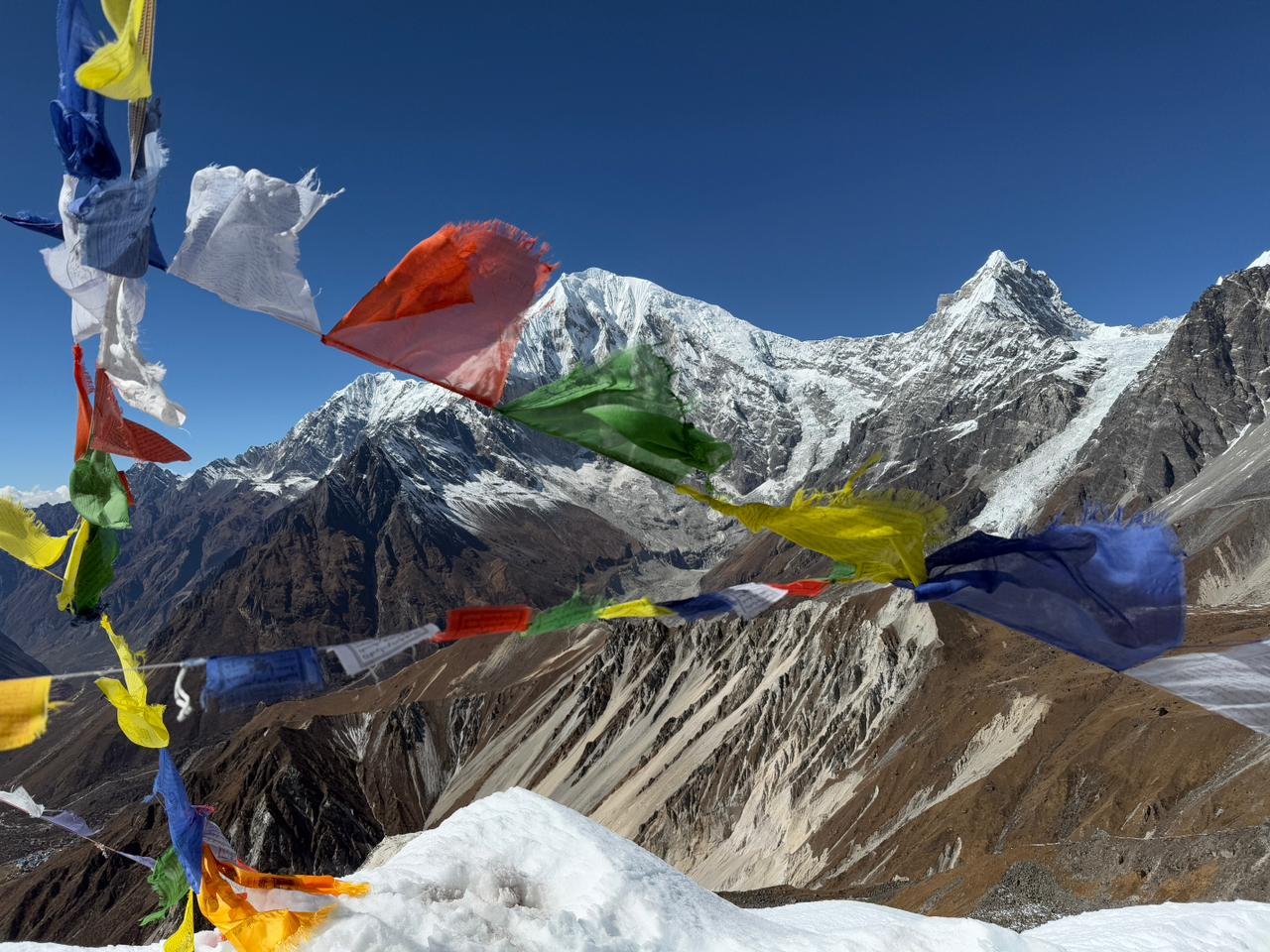
Walking slowly, you start to notice how clear the air feels up high. Paths built with thought let people reach Everest Base Camp without rushing too hard. A morning sun warms stone steps just as birds lift off nearby cliffs. Instead of pushing forward every minute, there is space to pause, listen, and wonder. Weather matches pace then, opening gaps where small things stand out – like prayer flags fluttering low over rocks. Surprises arrive quietly, not forced. Even silence finds a place here.
Analyze Value Instead of Price
Pricing grabs attention during trip planning, though focusing hard on cheap options can mislead. Hidden gaps show up after booking – especially clear with tough journeys like Everest Base Camp. Experienced trekkers now ask what’s included, not just the total fee. Higher cost sometimes brings better sleep, guides who’ve walked every mile, backup steps ready, help within reach. Value shapes decisions, steering travelers away from cuts that risk warmth or care when things go wrong.
Flexibility and Customer Support Review
Storms hit. Flights disappear. Life changes fast. That is why many travelers now want space to adjust plans, particularly on mountain hikes. Rigid schedules crumble under pressure. A growing number of leading outdoor guides adapt by allowing simpler date shifts and live support. Updates arrive early. Help comes quickly when things shift mid-journey. This kind of flexibility tends to keep the experience steady. When things get tough, companies that respond fast help people stay relaxed, especially if the trail takes an unexpected turn. Knowing there’s support nearby eases tension, making room for curiosity rather than fear.
Conclusion
Most people start by looking at tour operators – though real differences show up once boots hit rocky paths. A catchy brand won’t help much when the weather turns sour halfway through. Guides make or break days that stretch longer than expected, especially above tree line. Where you rest counts, sure – but so does who checks oxygen levels after dark. Some schedules move like slow rivers; others rush like storms no one asked for.
Thoughtful pacing beats ticking off landmarks any time of year. Nowadays, folks hiking trails stumble upon gear that actually fits their rhythm – options built less around price tags, more around what works when the weather turns. Worth appears quietly, in zippers that hold through wind, straps that don’t slip on long drops. When someone’s got your back before the path climbs, the whole thing shifts – the moment boots press dirt. Sure, peaks stay huge, wild – but it’s readiness that carves memories into bone.