
Who Is Gabi Goslar? A Closer Look at Her Life Story of Hannah Pick-Goslar’s Little Sister

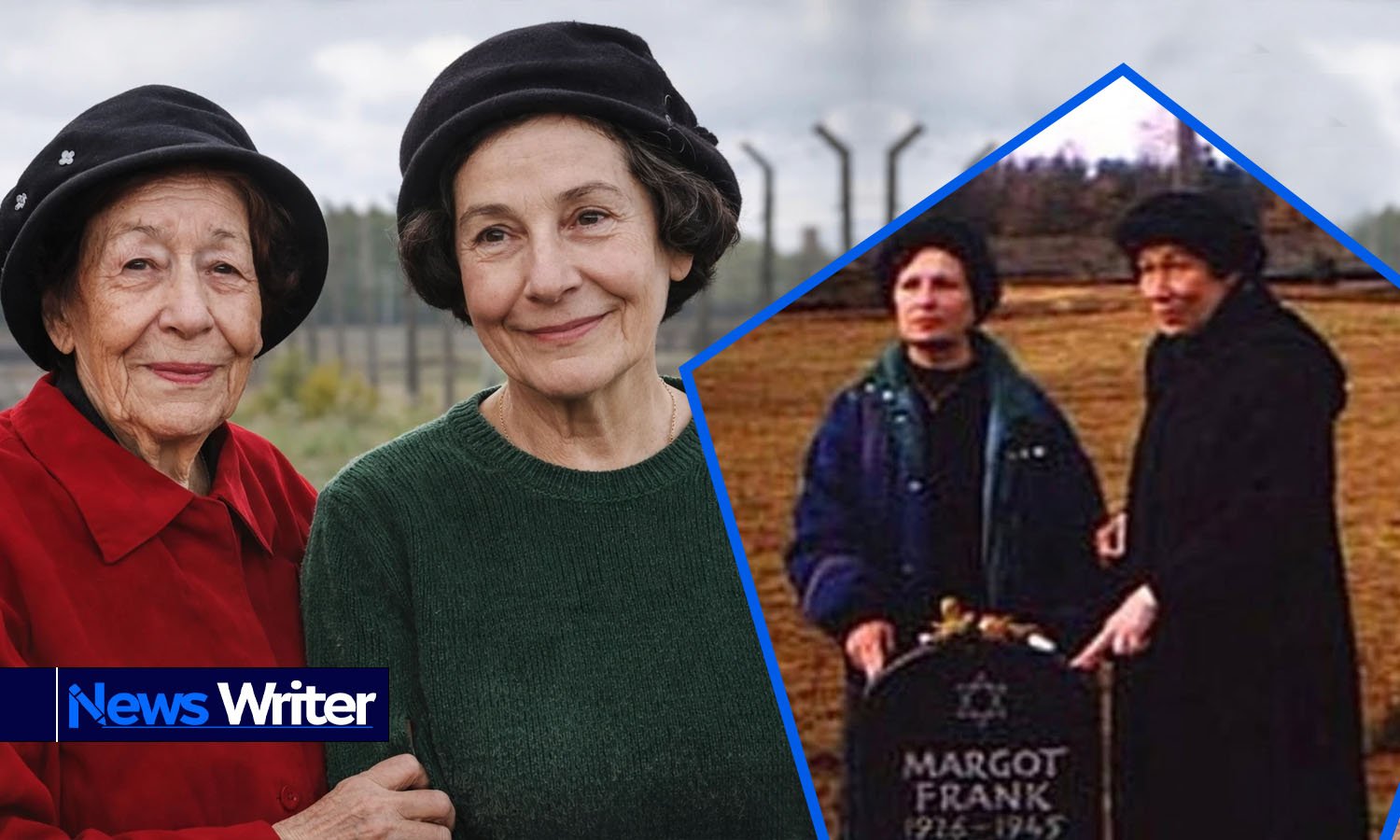
Gabi Goslar is one of the youngest Holocaust survivors connected to the story of Anne Frank. She was born on October 25, 1940, in Amsterdam, Netherlands. She is best known as the little sister of Hannah Pick-Goslar, the close childhood friend of Anne Frank. Gabi lived through some of the hardest moments of World War II as a small child, and her survival is a powerful story of love, loss, and strength.
Biography Table
| Detail | Information |
|---|---|
| Full Name | Rachel Gabriela Ida Goslar |
| Nickname | Gabi, Gigi, Rali |
| Date of Birth | October 25, 1940 |
| Place of Birth | Amsterdam, Netherlands |
| Nationality | German-Jewish, later Israeli |
| Father | Hans Yitzkhak Goslar |
| Mother | Ruth Judith Klee |
| Sister | Hannah Elisabeth Pick-Goslar |
| Religion | Jewish |
| Survived | Bergen-Belsen, the Lost Train |
| Later Life | Moved to Israel, worked as a teacher |
| Death | 2017 (age 77) — per some sources; other sources say she was alive as of 2025 |
| Known For | Youngest survivor connected to Anne Frank’s story |
Early Life and Family Background
Gabi Goslar was born into a German-Jewish family that had left Berlin to find safety in Amsterdam. Her father, Hans Yitzkhak Goslar, was a respected man who once worked as a deputy minister in Berlin. Her mother, Ruth Judith Klee, was a teacher who cared deeply for her children. The family tried to build a safe and happy life in the Netherlands, but things became very hard when the Nazis took power.
In 1942, tragedy hit the Goslar family hard. Ruth died during the birth of her third child, and the baby also did not survive. Gabi was only two years old at the time. After losing their mother, Gabi and her older sister Hannah depended on each other more than ever. Their father Hans tried his best to protect them, but the situation in Amsterdam was getting more dangerous every day.
Childhood During the Holocaust
When the German forces took control of the Netherlands in May 1940, life for Jewish families changed completely. Schools, shops, and public spaces became off-limits for Jewish children. Gabi was still a baby during these early years, but she grew up in a home full of worry and fear. Her older sister Hannah, who was twelve years older, took on the role of a mother figure for little Gabi.
In June 1943, the Gestapo arrived at the Goslar home and arrested the whole family. Gabi, her father, her sister Hannah, and their grandparents were all sent to the Westerbork transit camp. Gabi was only two and a half years old. Because the family held special documents, including Paraguayan passports and Palestine certificates, they were placed in a less harsh section of the camp. But life there was still full of pain and uncertainty.
Life in Bergen-Belsen Concentration Camp
In February 1944, the Goslar family was moved to Bergen-Belsen concentration camp. Conditions there were terrible. There was very little food, diseases spread quickly, and thousands of people died. Gabi was only three years old when she arrived at the camp. She was completely dependent on her teenage sister Hannah for food, warmth, and care.
By early 1945, Gabi was very sick and extremely weak. Hannah later recalled that her little sister could no longer walk and weighed less than twenty pounds. Their father, Hans Goslar, died in the camp on February 25, 1945. Gabi was too young to fully understand what had happened. Despite everything, Hannah refused to give up and kept protecting her little sister every single day.
The Connection to Anne Frank
Gabi Goslar holds a special place in Holocaust history because of her family’s close connection to Anne Frank. Anne and Hannah were best friends in Amsterdam and attended school together. Anne even wrote about Hannah in her famous diary, calling her “Hanneli.” In one entry, Anne described a dream where Hannah appeared sad and in need of help.
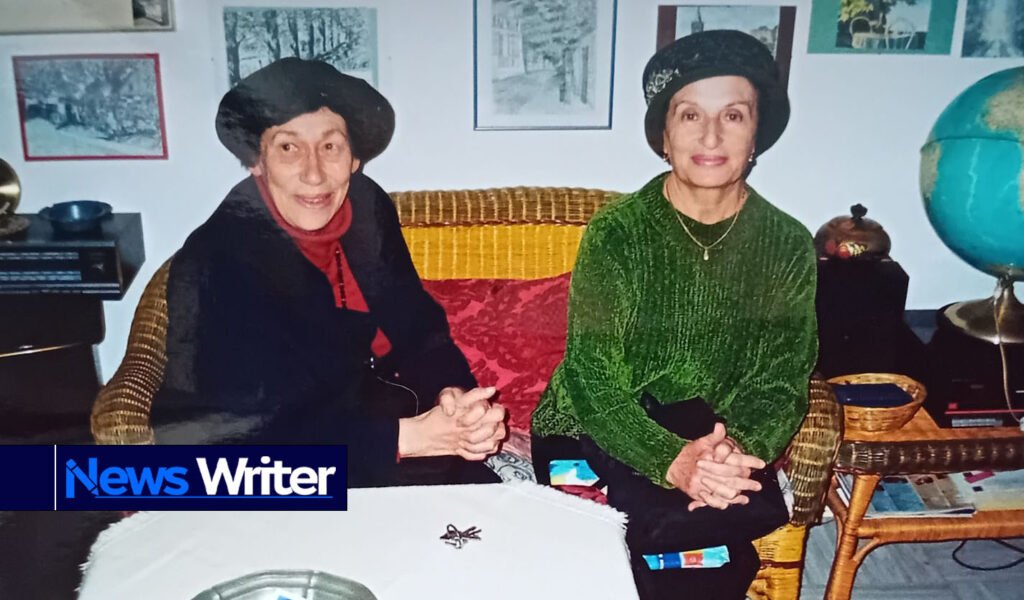
In early 1945, Hannah Pick-Goslar managed to speak with Anne Frank through a barbed wire fence that separated two sections of Bergen-Belsen. Gabi was present during this time, a small and silent witness to one of the most remembered moments in Holocaust history. Anne Frank died shortly after, but the Goslar sisters survived. This meeting became one of the most heartbreaking and important moments in the entire Anne Frank story.
Survival on the Lost Train
In April 1945, as the war was coming to an end, prisoners from Bergen-Belsen were loaded onto trains. The train that carried Gabi and Hannah traveled for weeks with no clear destination. It became known as the “Lost Train.” Conditions on the train were horrific. Many passengers were sick with typhus and starving. Gabi, who was just four years old, was in critical condition.
Soviet soldiers finally stopped and freed the train in Tröbitz, Germany, in May 1945. Gabi weighed less than twenty pounds and was extremely ill. The two sisters were taken in by local families to recover. In June 1945, American authorities helped register the sisters, and they were eventually able to return to Amsterdam. Their survival was nothing short of a miracle.
Life After the War
After the war, both Gabi and Hannah slowly recovered and rebuilt their lives. Hannah was hospitalized and later sent to Switzerland to regain her health. Gabi followed her sister on the journey toward healing. In 1947, Hannah moved to Israel. Gabi joined her a few years later and made Israel her permanent home.
In Israel, Gabi was known by her nickname Rali, short for her middle name Racheli. She became a teacher and built a quiet but meaningful life. She married, raised a family, and lived away from the public spotlight. Unlike her sister Hannah, who often shared memories of the Holocaust with the world, Gabi chose to live privately. She carried her memories quietly and focused on living a full life.
Legacy and Remembrance
Gabi Goslar’s story is a reminder of how the Holocaust affected even the youngest children. She survived one of history’s darkest periods before she was even old enough to go to school. Her connection to Hannah Pick-Goslar and Anne Frank places her at the center of one of the most told stories of World War II, even though she herself remained quiet about her experiences.
Hannah Pick-Goslar passed away on October 28, 2022, at the age of 93 in Jerusalem. In many of her public talks and in her memoir, Hannah spoke lovingly about her little sister and the bond that kept them both alive. Gabi’s survival was partly the result of Hannah’s fierce love and determination. Their story together is a testament to the power of family even in the darkest of times.
Conclusion
Gabi Goslar lived through the Holocaust as a very young child and came out the other side with quiet strength. She lost her mother, her father, and her grandparents before she was five years old. Yet she survived Bergen-Belsen and the Lost Train, moved to Israel, and built a peaceful life. Her story deserves to be known and remembered alongside that of her beloved sister Hannah and their famous friend Anne Frank.
Frequently Asked Questions (FAQs)
1. Who is Gabi Goslar?
Gabi Goslar is the younger sister of Holocaust survivor Hannah Pick-Goslar. She was born in Amsterdam in 1940 and survived Bergen-Belsen concentration camp and the Lost Train at the age of four.
2. How is Gabi Goslar connected to Anne Frank?
Gabi’s older sister Hannah was Anne Frank’s best childhood friend. Gabi was present in Bergen-Belsen when Hannah and Anne spoke through a barbed wire fence shortly before Anne’s death.
3. Did Gabi Goslar write a memoir or give interviews?
No. Gabi lived a very private life and did not write a memoir or speak publicly about her experiences. Her sister Hannah’s 2023 memoir “My Friend Anne Frank” contains references to Gabi’s early life.
4. What happened to Gabi Goslar after the war?
After the war, Gabi moved to Israel and became a teacher. She lived quietly under the nickname Rali and raised a family away from public attention.
5. When did Gabi Goslar die?
Some sources report that Gabi Goslar passed away in 2017 at the age of 77. However, other sources suggest she may still have been alive as of late 2025. Confirmed details about her death are not widely documented due to her private life.
Get verified insights on News Writer