

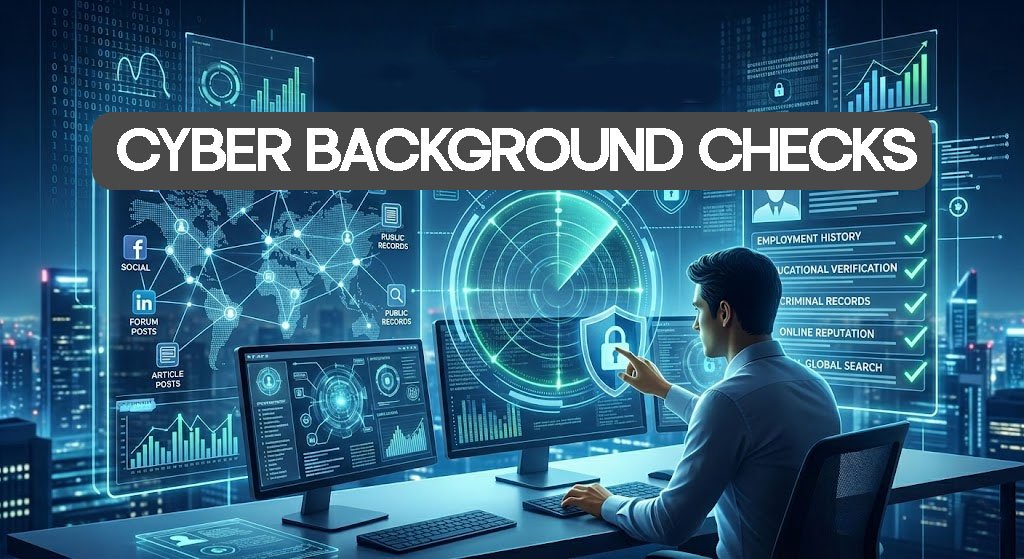
Cyber background checks are one of the most important tools that companies and individuals use today to stay safe online. In a world where data breaches, identity fraud, and online threats are growing every year, knowing who you are dealing with digitally has become just as important as knowing them in person. This guide explains what cyber background checks are, how they work, why they matter, and how to use them the right way.
What is a Cyber Background Check?
A cyber background check is a process of searching a person’s online history and digital footprint to understand their behavior, reputation, and potential risks. Unlike a traditional background check that looks at criminal records or employment history, a cyber check focuses on what someone does and says in digital spaces. This includes social media activity, online forum posts, dark web mentions, hacking records, and more.
These checks are used by employers, security teams, and organizations to evaluate whether a person is trustworthy in digital environments. As more of our lives move online, the digital trail we leave behind becomes a powerful source of information. A cyber background check collects and analyzes this trail in a structured and meaningful way.
What Do They Look For?
A cyber background check examines several areas of a person’s online presence. The goal is to identify any red flags that could signal a security risk, dishonest behavior, or other concerns before allowing someone access to sensitive systems or information.
Social Media Activity
Public posts, comments, and group memberships that reveal behavior patterns
Dark Web Mentions
Whether a person’s name or data appears in leaked databases or illegal forums
Hacking or Fraud History
Records of involvement in cybercrime, data theft, or fraud attempts
Online Reputation
Reviews, news mentions, and public records tied to a person’s digital identity
Why Businesses Need Them
Companies today face serious risks from insider threats. These are situations where an employee or contractor causes harm to the organization, either intentionally or by accident. Conducting a cyber background check before hiring someone for a role that involves access to sensitive data or systems can greatly reduce this risk. Many data breaches are not caused by outside hackers but by people inside the organization.
Beyond hiring, businesses also use cyber checks to vet third-party vendors, partners, and contractors. If a vendor has a history of poor data security or has appeared in dark web databases, that is a major warning sign. According to IBM’s Cost of a Data Breach Report, third-party breaches are one of the most expensive types of incidents a company can face. Regular cyber background checks on all connected parties help organizations protect themselves proactively.
According to the IBM Cost of a Data Breach Report 2023, the average cost of a data breach globally reached $4.45 million. Insider threats and third-party risks account for a significant share of these incidents, making proactive screening more important than ever.
How the Process Works
The cyber background check process usually begins with collecting publicly available information about a person or organization. Specialized tools and platforms scan social media platforms, public records, online news archives, and even deep web sources to compile a report. This process is often called OSINT, which stands for Open Source Intelligence. It is a method used by security professionals around the world to gather data from public sources.
Once the data is collected, it is analyzed and organized into a readable report. Most professional cyber background check services will flag specific areas of concern, such as mentions on hacking forums, leaked credentials, or a pattern of suspicious online activity. The final report helps decision-makers understand the digital risk level of a person or entity. It is important to use a trusted, certified service provider to ensure the data is accurate and gathered legally.
Privacy and Legal Considerations
One of the most important things to understand about cyber background checks is that they must follow privacy laws. In many countries, including the United States and those within the European Union, there are strict rules about what information can be collected and how it can be used. In the US, the Fair Credit Reporting Act (FCRA) governs how background check information is used in employment decisions. In the EU, the General Data Protection Regulation (GDPR) sets strong limits on data collection and usage.
Before conducting a cyber background check, employers typically need to get written consent from the individual being checked. Using the information to discriminate based on protected characteristics such as race, religion, or gender is illegal. Organizations should always work with legal counsel to make sure their cyber screening practices are compliant. Failing to follow the rules can lead to lawsuits, fines, and reputational damage.
Limitations to Know
While cyber background checks are very useful, they are not perfect. Public online information can sometimes be inaccurate, outdated, or even misleading. A person might appear in a data breach database not because they did anything wrong, but because a service they used was hacked. It is important to interpret results carefully and not make quick judgments based on a single data point.
Also, cyber background checks can only see what is publicly available or what has been flagged in known databases. If someone has been very careful about their online activity or has used anonymous accounts, the check may not show the full picture. This is why cyber checks are best used as one part of a larger security and vetting process, not as the only tool for making decisions about trust and access.
Conclusion
Cyber background checks are a smart and necessary step for any organization that wants to protect its data, people, and reputation in the digital age. They help identify potential risks before they become real problems. When used responsibly, with proper consent and legal compliance, they add a strong layer of security to both hiring and partnership decisions. As digital threats continue to grow, cyber background checks will only become more valuable over time.
Frequently Asked Questions
1. What is the difference between a cyber background check and a regular background check?
A regular background check looks at criminal records, employment history, and credit scores. A cyber background check focuses on a person’s digital footprint, including social media, online activity, dark web mentions, and cyber threat history.
2. Is it legal to run a cyber background check on someone?
Yes, but it must be done legally. In most countries, you need the person’s consent before conducting a check for employment purposes. The process must also follow applicable privacy laws such as FCRA in the US or GDPR in Europe.
3. How long does a cyber background check take?
Most cyber background checks take between a few hours to a few business days, depending on the depth of the scan and the service provider being used. More thorough checks that include dark web monitoring may take longer.
4. Can individuals check their own cyber background?
Yes. Many services allow individuals to run a check on themselves to see what information is publicly available about them online. This is a good practice to understand your own digital footprint and fix any incorrect information.
5. What should a company do if a cyber background check shows red flags?
The company should review the findings carefully and not act on incomplete information alone. It is recommended to consult with HR and legal teams, give the individual a chance to explain the findings, and make a decision based on the full context of the situation.
Get verified insights on News Writer