

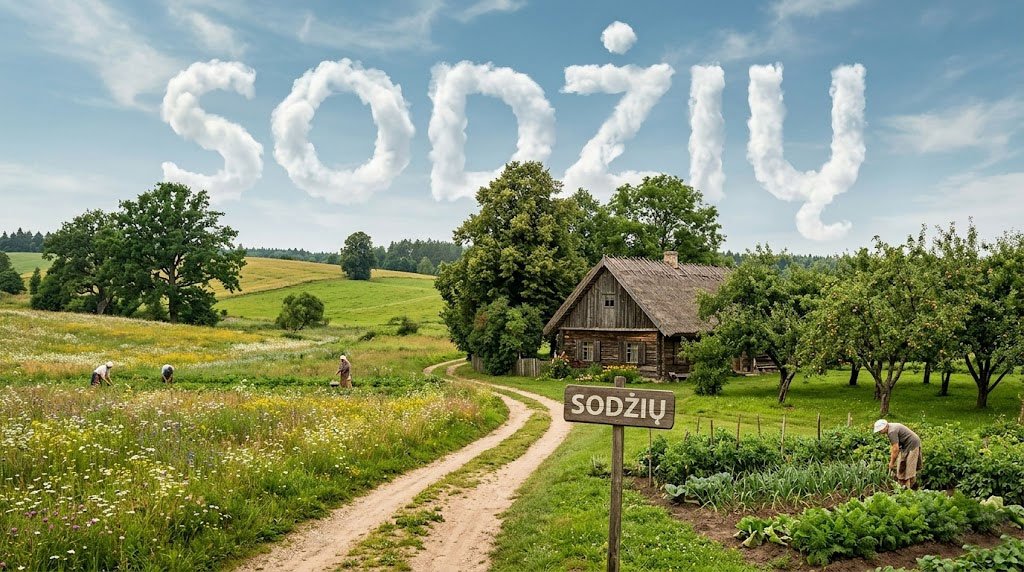
Sodziu is a Lithuanian word that means “village” or “rural homestead,” but it carries much more meaning than that. It describes a whole way of life built on community, nature, tradition, and simple living. For hundreds of years, this lifestyle shaped the identity of the Lithuanian people. Today, more and more people are looking back at sodziu and finding something truly valuable in it.
What Does Sodziu Actually Mean?
Sodziu comes from the Lithuanian word “sodžius,” which refers to a small rural village or cluster of farmsteads. But the word is not just about a place on a map. It represents a lifestyle where people live close to the land, support each other, and pass traditions from one generation to the next.
The word also works in everyday Lithuanian speech as a casual expression, similar to “basically” or “so,” used to wrap up a thought or feeling. This shows how deeply the idea of village life is connected to the way Lithuanian people think and speak.
A Look Back at Its History
Sodziu communities grew during the Middle Ages, when Lithuanian families settled in small, tight-knit groups across the countryside. Each village had its own fields, shared spaces, and working routines. Families grew their own food, raised animals, and built everything they needed by hand.
During difficult times, including years of foreign rule under the Russian Empire and later Soviet occupation, these rural villages played a key role in keeping the Lithuanian language and culture alive. Folk songs called “dainos” were sung in the fields. Harvest festivals and seasonal celebrations kept traditions going even when political life was hard. The sodziu was not just a place to live. It was a place to survive and hold on to identity.
How People Lived in a Sodziu
Life in a sodziu followed the rhythm of the seasons. In spring, families planted crops. In summer, they tended gardens and gathered berries and mushrooms from nearby forests. Autumn meant harvest time, shared work, and communal meals. In winter, people focused on crafts, storytelling, and preparing for the year ahead.
Traditional sodziu homes were built from local wood, usually pine or spruce. The roofs were steep to handle heavy snow, and the walls were thick to stay warm in Baltic winters. Around each home, families kept gardens full of vegetables, herbs, and fruit trees. Nothing went to waste. This approach to living was not a trend. It was simply how life worked.
Community and Traditions at the Heart of Sodziu
One of the strongest features of sodziu life is community. Neighbors were not just people who lived nearby. They were partners in daily life. People shared tools, helped each other with building, and came together to celebrate and mourn. This cooperation created a deep sense of belonging that many people today find hard to find in modern cities.
Festivals played a big role in sodziu culture. Joninės, the midsummer celebration, brought people together around bonfires with singing and dancing. Užgavėnės, a pre-Lenten carnival, featured handmade masks, food, and joyful parades. The Christmas Eve meal, called Kūčios, was a sacred family gathering with symbolic dishes. These celebrations were not just fun. They reinforced identity, history, and a shared sense of life.
Food, Crafts, and Connection to Nature
Traditional sodziu food came straight from the land. Families grew their own vegetables, kept bees, and foraged for wild mushrooms and herbs. Meals were cooked in wood-fired ovens and shared at a common table. Classic dishes like cepelinai (potato dumplings) and šaltibarščiai (cold beet soup) came from this farming culture. Food was not just fuel. It was a form of connection and cultural memory.
Craftsmanship was also central to sodziu life. Many villagers practiced weaving, embroidery, pottery, and woodcarving. These skills were passed from parents to children and kept artistic traditions alive. Beautifully carved wooden crosses and embroidered textiles can still be seen in Lithuanian villages today, showing that this creative spirit has not disappeared.
Why People Are Rediscovering Sodziu Today
In recent years, interest in sodziu has grown strongly. Young families, artists, and eco-conscious individuals are moving back to the countryside or spending more time there. The reasons are clear. City life brings stress, disconnection, and a feeling that something important is missing. Sodziu offers a different path.
Weekend retreats called “sodybos” have become popular. These are old farmsteads that people restore into cozy guesthouses. Eco-tourism programs offer workshops in traditional crafts, guided walks through forests, and hands-on farming experiences. Social media and online platforms now share sodziu recipes, folk songs, and village stories with audiences around the world. The digital age, surprisingly, is helping this old way of life reach new people.
Preservation Efforts and the Future of Sodziu
Lithuania has taken clear steps to protect its rural heritage. Government grants help restore old wooden homes. Ethnographers record local dialects and cooking methods. School programs bring children from cities to working farms where they learn to grow crops and spin linen, just as villagers did for centuries.
UNESCO has also recognized Lithuanian folk song traditions as part of the world’s intangible cultural heritage. This global recognition strengthens the case for keeping sodziu culture alive. Organizations and communities across Lithuania now work together to make sure this way of life does not disappear.
Conclusion
Sodziu is not just an old Lithuanian word. It is a living reminder of what community, simplicity, and connection to nature can look like. In a world that often feels too fast and too disconnected, the values of sodziu feel more relevant than ever. Whether you visit a Lithuanian village, grow a small garden, or simply slow down and appreciate your surroundings, you are touching something that sodziu has always stood for.
Frequently Asked Questions
1. What does sodziu mean in Lithuanian?
Sodziu means “village” or “rural homestead” in Lithuanian. It also works as a casual expression in conversation, similar to “basically” or “so.”
2. Where did sodziu communities first appear?
Sodziu villages developed during the Middle Ages in Lithuania, when farming families settled in small, cooperative communities across the countryside.
3. What are some traditions connected to sodziu?
Key traditions include Joninės (Midsummer bonfire celebrations), Užgavėnės (pre-Lenten carnival), Kūčios (Christmas Eve supper), and seasonal harvest festivals with folk music and dance.
4. Is sodziu still alive in Lithuania today?
Yes. Many Lithuanians still connect with sodziu through rural retreats, cultural festivals, eco-tourism, and preservation programs supported by the government and cultural organizations.
5. How can someone experience sodziu without living in Lithuania?
You can experience sodziu values by growing your own food, supporting local farmers, spending time in nature, practicing traditional crafts, or visiting Lithuanian heritage sites and open-air museums.
Get verified insights on News Writer