

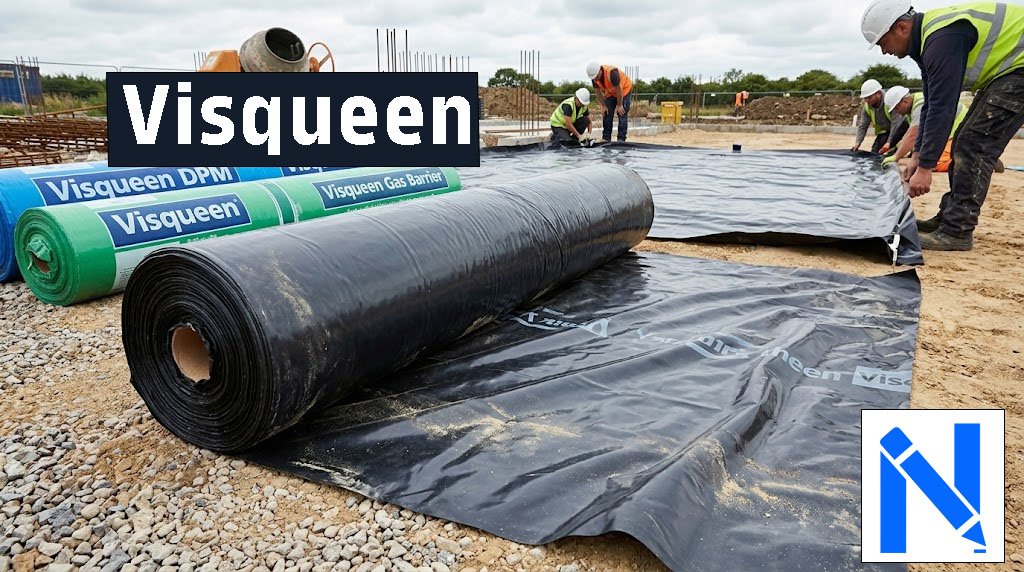
Visqueen is a heavy-duty polyethylene plastic sheeting that builders, gardeners, and homeowners use every day for moisture control, surface protection, and dozens of other tasks. The name started as a brand owned by British Polythene Industries Limited in the UK, but over the years it became a general term for polyethylene sheeting, much like “Kleenex” became another word for tissue. Whether you are sealing a crawl space, covering crops, or protecting furniture during a renovation, visqueen is one of the most affordable and practical materials you can buy. In this guide, you will learn about the different types, how to pick the right thickness, and where visqueen works best.
What Is Visqueen Made Of?
Visqueen is made from polyethylene, one of the most common plastics in the world. Standard rolls use low-density polyethylene (LDPE), which is soft, flexible, and easy to cut. Heavy-duty versions use high-density polyethylene (HDPE), which is stiffer and stronger. Both types are waterproof, lightweight, and resist most chemicals.
Some products also contain extra additives. For example, UV inhibitors help the sheeting last longer in direct sunlight, and flame-retardant chemicals make it safer for indoor use in schools, hospitals, and public buildings. Reinforced versions include an internal string or woven mesh layer that stops tears from spreading, which is helpful on busy job sites.
Types of Visqueen Plastic Sheeting
Not all visqueen is the same. Knowing the main types helps you pick the right product for your project.
Standard clear visqueen is the most basic option. It lets light through, so you can see what is underneath. People commonly use it as a painting drop cloth, a light dust barrier, or a temporary window cover.
Standard black visqueen blocks all light. This makes it a popular choice for weed control in gardens and for crawl space vapor barriers where you want to stop moisture from rising into the floor above.
String reinforced visqueen has a scrim layer of strong fibers built into the plastic. This gives it excellent tear resistance, even in cold or windy weather. Contractors often use it for scaffolding covers, long-term outdoor enclosures, and storm window reinforcement.
Flame retardant visqueen meets fire safety codes and is required in many commercial settings like hospitals, schools, and event venues.
Woven visqueen allows wind and water to pass through while still providing strength, making it useful for weed barriers in gardens and lightweight greenhouse covers.
Visqueen Thickness Guide: How to Choose the Right Mil
Visqueen thickness is measured in “mils.” One mil equals one-thousandth of an inch (0.001 inch). The higher the mil number, the thicker and tougher the plastic. Picking the wrong thickness is one of the most common mistakes people make, so here is a simple breakdown.
2 mil is very thin and lightweight. It works well as a basic painting drop cloth or a temporary dust cover for furniture.
4 mil is a step up and offers more strength. Use it for dust barriers during non-hazardous renovation work, garden solarization, or short-term equipment covers.
6 mil is the most popular thickness. Most building codes require at least 6 mil for vapor barriers under concrete slabs and in crawl spaces. It is thick enough to block moisture effectively while still being easy to handle.
10 mil and above is heavy-duty territory. Choose this thickness when you need extra puncture resistance, such as in high-traffic crawl spaces, under heavy construction materials, or for long-term outdoor protection. Commercial grades can go up to 20 mil for industrial jobs.
Common Applications of Visqueen
Visqueen is incredibly versatile. Here are the areas where it makes the biggest difference.
Construction and moisture control is the number one use. Builders place visqueen under concrete slabs, inside crawl spaces, and between drywall and insulation to act as a vapor barrier. This stops ground moisture from entering the structure and helps prevent mold, mildew, and wood rot. When remodeling a home, sheets of visqueen seal off rooms to contain dust and debris, keeping the rest of the house clean.
Agriculture and gardening is another major area. Clear visqueen works as a greenhouse cover, letting sunlight in while protecting plants from wind, rain, and pests. Black visqueen is laid on the ground to kill weeds by blocking light, a method called solarization. Gardeners also use it to retain soil moisture and prevent erosion.
Home improvement and DIY projects benefit from visqueen too. It protects floors, countertops, and furniture during painting or sanding. Thicker versions cover outdoor equipment, wood piles, and patio furniture during storms or winter storage.
Visqueen vs Regular Plastic Sheeting
Many people use the words “visqueen” and “plastic sheeting” as if they mean the same thing. While they are similar, there are some real differences worth knowing.
Regular plastic sheeting from a hardware store is often made from recycled or reground resins. It is cheaper, but it can be weaker and less consistent in quality. Visqueen, especially when made from virgin polyethylene, offers better tear resistance, longer life, and more reliable moisture protection. Regular plastic sheeting works fine for quick, light tasks like covering furniture or wrapping items for a move. However, for any job where long-term durability matters, such as a crawl space vapor barrier or an outdoor enclosure, visqueen is the smarter choice. Always check the mil rating and material grade on the label before you buy.
Tips for Installing Visqueen Correctly
Even the best visqueen will fail if you install it the wrong way. A few simple steps make a big difference.
First, clear the area of any sharp rocks, nails, or debris that could puncture the plastic. Measure the space carefully and add 10 to 15 percent extra material to cover overlaps. Overlap all seams by at least 12 inches and seal them with vapor barrier tape. Run the visqueen at least 6 inches up the foundation walls in crawl spaces. After installation, inspect the surface for any holes or tears and patch them right away. Avoid walking on the sheeting more than necessary, and never use clear visqueen for weed control because light passes right through it.
Where to Buy Visqueen
You can find visqueen at most hardware and building supply stores. Home Depot, Lowe’s, and local lumber yards carry the most common sizes and thicknesses. Online retailers also offer a wide selection, including specialty products like UV-stabilized rolls for outdoor use and flame-retardant sheets for commercial projects. Agricultural supply stores are a good source for greenhouse-grade visqueen.
When shopping, always compare the mil thickness, roll size, and material grade. A 6 mil roll made from virgin polyethylene will outperform a 6 mil roll made from recycled plastic, even though they look the same on the shelf.
Conclusion
Visqueen plastic sheeting is a simple, affordable, and reliable material that solves real problems in construction, gardening, and home improvement. By choosing the right type and thickness for your project and installing it properly, you get effective moisture protection, dust control, and surface coverage that lasts. Whether you are a professional contractor or a weekend DIYer, keeping a roll of visqueen on hand is always a smart move.
Frequently Asked Questions
1. Is visqueen the same as a vapor barrier?
Visqueen is commonly used as a vapor barrier, but not every sheet of visqueen qualifies. For a proper vapor barrier, you need at least 6 mil thickness installed with sealed seams and proper overlap. Thinner visqueen will let some moisture pass through.
2. Can I use visqueen under a concrete slab?
Yes. Placing 6 mil or thicker visqueen under a concrete slab is standard practice. It stops ground moisture from rising into the concrete, which helps protect flooring and prevents dampness inside the building.
3. How long does visqueen last outdoors?
Standard visqueen without UV protection breaks down within one season of direct sunlight. If you need it outdoors for a longer period, look for UV-stabilized versions that are designed to resist sun damage.
Get verified insights on News Writer