

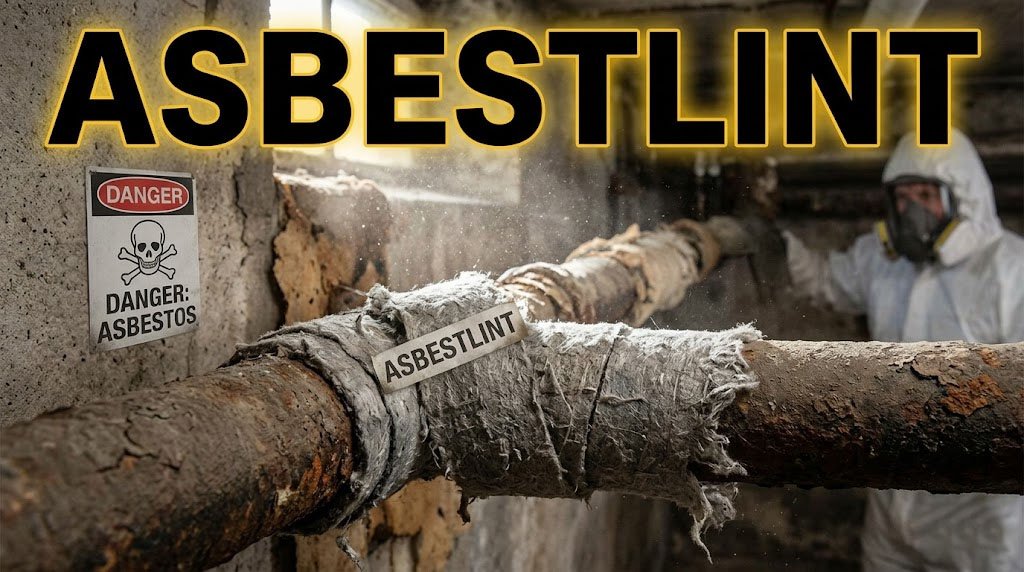
Asbestlint is a term that most people have never heard of, but it could be hiding in the walls, pipes, or floors of their own home right now. It refers to tiny, invisible fibers released from old asbestos-based materials when they crack, crumble, or get disturbed. These fibers float in the air and can enter your lungs without you ever knowing. The health risks are serious and can take years to appear, which is exactly why so many people never connect the damage to its cause.
What Exactly Is Asbestlint?
The word “asbestlint” comes from combining “asbestos” and “lint.” It describes fine, dust-like asbestos fibers that break free from aging or damaged materials. Think of it like tiny threads you cannot see, floating through the air in a room that looks completely clean. When old insulation around pipes, tiles on a floor, or ceiling coatings begin to fall apart, asbestlint is what gets released into the air around you.
These fibers are different from regular dust. They do not dissolve or leave your body once they get in. The human body has no way to break them down, which means once they enter your lungs, they stay there. Over time, this leads to tissue damage that causes serious diseases, sometimes 20 to 50 years after the first moment of exposure.
Why Was Asbestos Used in the First Place?
Asbestos was once seen as a wonder material. It did not burn, it held up against chemicals, it was cheap, and it was easy to shape and wrap around pipes and beams. From the early 1900s through the 1970s, builders used it in schools, hospitals, homes, factories, and ships. Workers wrapped it around hot pipes every day without knowing it was slowly harming them.
Governments around the world started banning asbestos in the late 1970s and through the 1980s when research clearly showed it caused deadly diseases. Many countries have now fully banned it. However, millions of older buildings still contain it. That material is slowly aging, and as it does, it keeps releasing asbestlint into the air.
Where Does Asbestlint Hide?
Asbestlint does not come from somewhere obvious. It hides in everyday parts of older buildings that most people never think twice about. You cannot see it, and you cannot smell it. It only becomes dangerous when the material holding it starts to wear out or gets disturbed during work like drilling, cutting, or renovation.
Common places where asbestlint hides include pipe and boiler insulation in basements, old floor tiles and the adhesive beneath them, ceiling tiles and textured spray coatings, roof shingles in older homes, insulation panels around heating systems, and drywall joint compound in buildings made before 1980. If your home or workplace was built before 1985, there is a real chance that one or more of these materials contains asbestos.
The Health Dangers You Need to Know
The diseases caused by asbestlint are not mild. They are serious, long-term, and often impossible to fully treat once they develop. The reason they are so dangerous is the long delay between exposure and illness. A person could breathe in asbestlint at age 30 and not notice any health problem until their 50s or 60s.
The four main health conditions linked to asbestlint are asbestosis, which is scarring of the lung tissue that makes breathing painful over time; mesothelioma, a rare and aggressive cancer of the lining around the lungs or abdomen; lung cancer, where long-term fiber exposure raises the risk significantly, especially in people who smoke; and pleural disease, which involves thickening or fluid buildup around the lung lining that causes chest pain. What makes asbestlint even more dangerous is secondary exposure. A worker who comes home with fibers on their clothing can expose their whole family without anyone knowing.
How to Tell If Asbestlint Might Be Present
You cannot identify asbestlint by looking at it. The fibers are too small for the human eye to see. However, you can look for warning signs in the materials around you. If your home is older than 40 years and you see crumbling insulation, damaged ceiling tiles, or worn floor tiles, those materials could be releasing asbestlint into the air right now.
Do not try to test it yourself. Touching or cutting a suspected material to check it will release more fibers into the air. The only safe way to confirm asbestos is through a certified laboratory test done by a trained professional. Common triggers for getting an inspection include peeling pipe insulation, lifting floor tiles, a flaking textured ceiling, or any renovation work planned on a building from before 1985.
What to Do If You Suspect Asbestlint in Your Home
The most important rule is simple: do not disturb the material. Asbestlint that is sealed inside a wall or wrapped tightly around a pipe is far less dangerous than material that has been broken open. If you spot something that looks like deteriorating insulation or damaged old tiles, step away and call a certified asbestos inspector right away.
The process usually works in four steps. First, a certified inspector assesses the building. Second, they collect samples and send them to an accredited lab for testing. Third, if asbestos is confirmed, a specialist decides between removal or encapsulation, which means sealing the material so it cannot release fibers. Fourth, after the work is done, air testing confirms the space is safe before anyone returns. Always let trained professionals handle every step of this process.
Legal Rules and Your Rights
Most countries have laws that protect people from asbestos exposure, especially in workplaces and rental properties. Landlords, building owners, and employers have a legal duty to manage asbestos safely. If you think asbestlint is present in a building you live or work in, you have the right to ask for an inspection and a written report on the findings.
Workers in construction, renovation, and demolition jobs face the highest risk and are protected by workplace safety laws in most countries. Employers must train workers on asbestos risks, provide proper protective gear, and follow legal removal procedures. Knowing your rights is a key part of staying safe from a danger that most people never think about until it is too late.
Conclusion
Asbestlint is a real and serious risk in millions of older buildings around the world. The good news is that it is manageable when handled correctly. Do not disturb suspected materials, get a professional inspection before any renovation work, and never attempt removal on your own. Early awareness can prevent decades of health problems for you and your family.
Frequently Asked Questions
Is asbestlint the same as asbestos?
Not exactly. Asbestlint refers to the tiny, airborne fibers that asbestos-containing materials release when they break down or get disturbed. It is essentially asbestos in its most dangerous, breathable form.
Can I remove asbestlint from my home by myself?
No. DIY removal is dangerous and illegal in many countries. Disturbing asbestos materials without the right equipment releases more fibers into the air. Always use a certified abatement professional.
How long does it take for asbestlint to cause health problems?
Diseases caused by asbestlint exposure can take 10 to 50 years to develop. This long delay is why many people do not connect their illness to past exposure.
My house was built in the 1970s. Should I be worried?
If your home was built before 1985, it may contain asbestos materials. As long as those materials are in good condition and undisturbed, the risk is lower. However, a professional inspection before any renovation work is strongly recommended.
Is there a safe level of asbestlint exposure?
Most health authorities agree there is no completely safe level of asbestos fiber exposure. Even low levels carry some risk over time, which is why prevention and early detection are so important.
Get verified insights on News Writer