

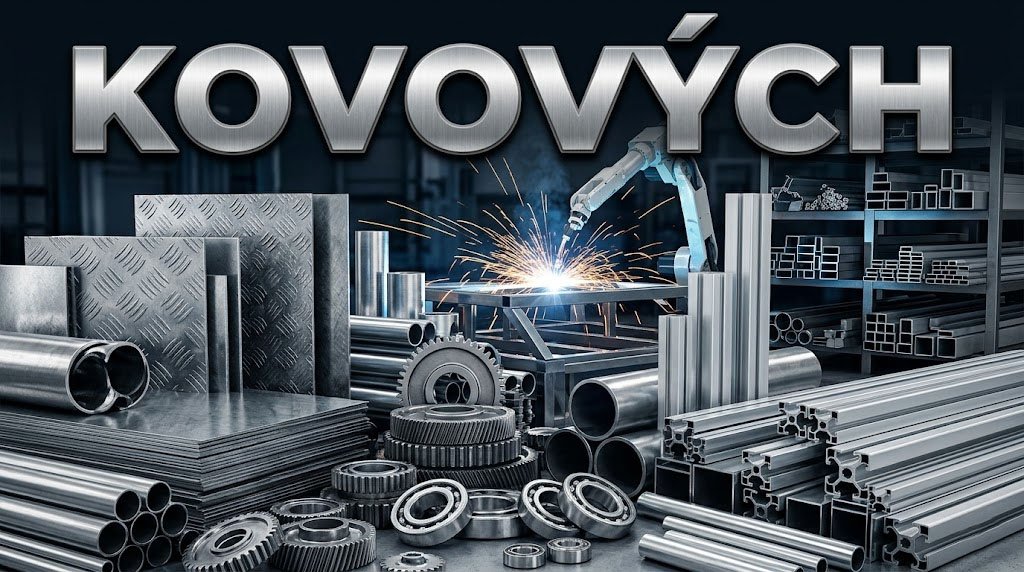
Kovových is a Czech word that means “of metals” or “metallic materials.” It comes from the adjective kovový, which simply means “metallic” or “made of metal.” But this word carries much more weight than its grammar suggests. It connects a rich history of craftsmanship, industrial growth, and cultural identity that stretches across centuries in Central Europe. From ancient bronze tools to modern steel bridges, kovových materials have always been at the heart of how people build, create, and innovate. This article takes you through the meaning, history, uses, and future of kovových in a way that is easy to follow and understand.
What Does Kovových Mean?
The word kovových is the genitive plural form of kovový in the Czech language. In plain English, it means “of metals” or “belonging to metal.” Czech is a language where word endings change based on how the word is used in a sentence. So when someone talks about multiple metal items or materials, they use kovových instead of kovový.
In technical writing, engineering documents, and construction plans, you will often see phrases like “zpracování kovových materiálů,” which means “processing of metal materials.” This makes kovových a very useful term in professional and industrial settings. Understanding it helps anyone working with Czech technical documents avoid translation mistakes.
A Long History of Metalworking in Central Europe
The story of kovových materials in Central Europe goes back thousands of years. Early communities in what is now the Czech Republic and Slovakia worked with copper and bronze to make tools, weapons, and ceremonial objects. These early artisans passed their knowledge down through generations, building a strong metalworking culture.
By the Middle Ages, the region became well known for its skilled blacksmiths and metal craftsmen. During the Industrial Revolution, Czech metalworking grew even faster. Steel production, iron foundries, and machine manufacturing turned whole regions into industrial centers. This history is why kovových is not just a word today. It represents a long tradition of skill and hard work that still shapes the country’s economy.
Kovových in Czech Industry and Manufacturing
Today, kovových materials play a key role in many of the Czech Republic’s most important industries. Steel, aluminum, copper, and various alloys are used in construction, automotive production, electronics, and aerospace. Czech manufacturers supply metal parts and components to companies across Europe and beyond.
In the automotive sector, kovových components make up car frames, engine parts, and safety systems. In construction, steel beams and aluminum panels help build strong and long-lasting structures. The country’s engineering tradition means that Czech factories are known for producing high-quality metal parts with precision. This strong reputation comes directly from the long history of kovových craftsmanship in the region.
Types of Kovových Materials and Their Properties
Kovových materials fall into several main categories. Ferrous metals, like steel and iron, contain iron and are known for their strength and durability. Non-ferrous metals, like aluminum, copper, and titanium, do not contain iron and often offer lighter weight or better resistance to corrosion. Alloys combine two or more metals to improve performance for specific uses.
Each type of kovových material has its own set of useful properties. Steel is tough and flexible under pressure. Aluminum is light and easy to shape. Copper conducts electricity very well, making it perfect for wiring and electronics. Titanium is incredibly strong for its weight, which makes it valuable in aerospace. Knowing these differences helps engineers and designers choose the right material for each job.
Kovových in Everyday Life
Kovových materials are not just found in factories or construction sites. They are part of daily life in ways most people do not notice. The smartphone in your pocket contains copper wiring and aluminum casing. Your kitchen appliances use steel for strength and hygiene. The car you ride in is built from dozens of different metal components working together.
Even in art and home design, kovových elements appear everywhere. Metal light fixtures, decorative railings, and furniture frames bring strength and beauty into living spaces. Jewelry made from gold, silver, and brass is another example of kovových craftsmanship in everyday use. These everyday examples show just how much kovových materials shape comfort and style in modern life.
Kovových and Sustainability
One of the best things about kovových materials is that most metals can be recycled many times without losing quality. Steel, for example, is one of the most recycled materials in the world. Recycling metal uses much less energy than producing new metal from raw ore, which makes it better for the environment.
Many Czech manufacturers and global companies now focus on using recycled kovových materials to reduce their carbon footprint. Lightweight metal alloys in cars and aircraft help lower fuel consumption and cut emissions. As the world moves toward greener ways of living and building, kovových materials continue to offer practical solutions that are both strong and sustainable.
The Future of Kovových in Modern Technology
The role of kovových materials is growing as technology advances. In the aerospace industry, new lightweight alloys make aircraft safer and more fuel-efficient. In medicine, surgical tools and implants made from specialized metals improve patient outcomes. In electronics, thin metal layers power the chips and circuits inside computers and devices.
New technologies like 3D metal printing are also changing how kovových materials are used. Factories can now print complex metal parts with great precision, reducing waste and production time. The future of kovových looks strong, innovative, and full of exciting possibilities that will continue to benefit people around the world.
Conclusion
Kovových is much more than a Czech grammar term. It represents a deep connection between language, culture, history, and industry. From ancient metalworking traditions to cutting-edge manufacturing, kovových materials have always been essential to human progress. They build cities, power technology, and support sustainable development. Understanding kovových gives us a clearer picture of how metals shape the world around us every single day.
Frequently Asked Questions (FAQs)
1. What does kovových mean in English?
Kovových is a Czech word that means “of metals” or “metallic materials.” It is used to describe multiple metal objects or components in technical and everyday contexts.
2. Where is the word kovových commonly used?
It is most often used in Czech engineering documents, construction plans, technical manuals, and industrial descriptions to refer to metal parts and materials.
3. Why are kovových materials important in industry?
Kovových materials like steel, aluminum, and copper provide strength, durability, conductivity, and versatility. These properties make them essential in construction, automotive, aerospace, and electronics industries.
4. Are kovových materials good for the environment?
Most metals are highly recyclable. Steel and aluminum can be recycled many times without losing quality, which helps reduce waste and lower energy use in production.
5. What are the most common types of kovových materials?
The most common types include ferrous metals like steel and iron, non-ferrous metals like aluminum and copper, and alloys that combine two or more metals for improved performance.
Get verified insights on News Writer