
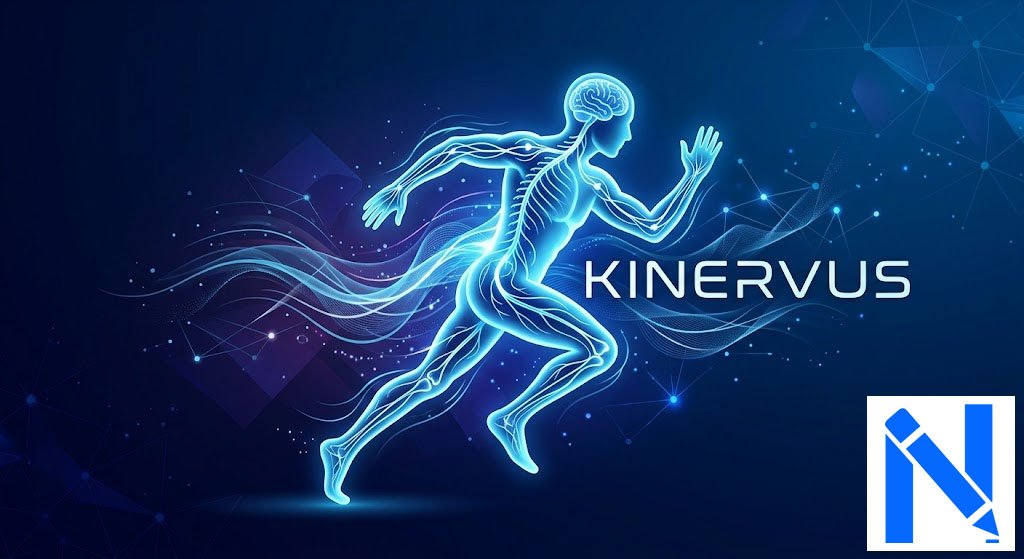
Kinervus is a term that brings together two powerful ideas: movement and the nervous system. The word comes from “kinesis,” a Greek word meaning movement, and “nervus,” a Latin word meaning nerve. Today, Kinervus is best known as a specialized physiotherapy and rehabilitation practice based in Alken, Belgium. Founded in 2019 by physiotherapist Stefanie Ver Eecken, this clinic helps people recover from neurological conditions, physical injuries, and movement difficulties. Beyond the clinic itself, the concept of Kinervus also represents a growing interest in how the brain and body work together to create smooth, healthy movement.
What Does Kinervus Mean?
The name Kinervus is a combination of two scientific roots. “Kinesis” refers to the science of human movement, while “nervus” points to the nervous system. When you put these two ideas together, you get a concept focused on the connection between your nerves and your ability to move.
This connection is important because every movement you make starts in the brain. Your brain sends signals through your nerves to your muscles. When this system works well, you can walk, run, and use your hands without any problem. When something goes wrong, like after a stroke or an injury, these signals get weak or blocked. Kinervus focuses on fixing and strengthening this communication between the brain and the body.
The Kinervus Clinic in Belgium
Kinervus is a real physiotherapy and rehabilitation group practice located in Alken, in the Limburg province of Belgium. Stefanie Ver Eecken founded the clinic in 2019 with a clear goal: to offer personalized care that treats each patient as a unique individual. Instead of giving every patient the same set of exercises, the Kinervus team creates a treatment plan based on each person’s specific condition, goals, and daily needs.
The clinic offers several services, including neurological rehabilitation, pediatric physiotherapy, musculoskeletal therapy, and manual lymphatic drainage. This range of services allows the clinic to help people of all ages, from young children with motor development challenges to adults recovering from serious neurological conditions like stroke, Parkinson’s disease, or multiple sclerosis.
How Does Kinervus Work?
The approach at Kinervus starts with a detailed assessment. Therapists carefully evaluate each patient’s movement patterns, muscle strength, balance, and nerve function. This helps them understand exactly where the problems are and what kind of support the patient needs.
After the assessment, the team designs a step-by-step rehabilitation program. This program may include balance and coordination exercises, motor control training, movement retraining, and strength building activities. The key difference is that Kinervus targets the nervous system directly, not just the muscles. By retraining the brain’s pathways, patients can achieve lasting improvement rather than short-term relief.
Who Can Benefit from Kinervus?
Kinervus helps a wide range of people. Adults who have experienced a stroke, traumatic brain injury, or spinal cord injury often benefit greatly from neurological rehabilitation at the clinic. People living with conditions like Parkinson’s disease or multiple sclerosis also find support through tailored therapy programs that adapt as their needs change over time.
Children are another important group. The clinic’s pediatric physiotherapy program supports kids who face delays in motor development or have conditions that affect their movement skills. The therapists use gentle, age-appropriate methods to help children build confidence and improve their physical abilities. Additionally, anyone dealing with joint injuries, post-surgery recovery, chronic pain, or repetitive strain injuries can benefit from the musculoskeletal therapy services offered at Kinervus.
The Science Behind Kinervus
The scientific foundation of Kinervus rests on a concept called neuroplasticity. This is the brain’s natural ability to reorganize itself by forming new neural connections. After an injury or illness damages the nervous system, the brain can sometimes find new pathways to send movement signals. Kinervus rehabilitation programs are designed to encourage this process.
Research in neuroscience supports the idea that targeted, repetitive movement exercises can help the brain build these new connections. When patients practice specific movements under the guidance of a trained therapist, they are not just building muscle. They are teaching their brain to communicate with their body in a new and more effective way. This is why Kinervus emphasizes evidence-based treatment and tracks patient progress carefully over time.
What Makes Kinervus Different?
One of the biggest differences between Kinervus and many other physiotherapy clinics is the level of personalization. Many traditional clinics use standard exercise plans that treat most patients in a similar way. Kinervus takes a different approach by building each program around the individual patient’s goals and abilities.
Another factor that sets Kinervus apart is its focus on the whole person. The clinic recognizes that physical recovery is closely linked to emotional wellbeing. When someone loses the ability to move freely, it affects their confidence, independence, and quality of life. The Kinervus team works to restore not just physical function but also the patient’s sense of control and hope for the future.
The Growing Interest in Kinervus
Interest in the Kinervus concept continues to grow beyond the clinic itself. As more people learn about the connection between movement and neural health, the idea behind Kinervus becomes relevant to many fields. In technology, researchers explore neural-responsive systems that mimic how the body coordinates movement. In sports science, trainers use similar principles to improve athletic performance and prevent injuries.
The growing demand for smarter, science-based rehabilitation solutions also drives this interest. People today want more than basic treatment. They want approaches that address the root cause of their problems and deliver lasting results. Kinervus meets this need by combining modern neuroscience with compassionate, patient-focused care.
Conclusion
Kinervus represents a meaningful step forward in how we think about rehabilitation and recovery. Whether you look at it as a specialized clinic in Belgium or as a broader concept connecting movement and neural health, the core message is the same. Recovery works best when it addresses the full connection between the brain, nerves, and muscles. With its personalized approach, evidence-based methods, and focus on long-term results, Kinervus offers a model of care that puts patients first and helps them regain the movement, confidence, and independence they deserve.
Frequently Asked Questions
1. What is Kinervus?
Kinervus is a specialized physiotherapy and rehabilitation practice in Alken, Belgium, focused on restoring the connection between the nervous system and movement. It also represents a broader concept about brain-body coordination.
2. Who founded Kinervus?
Kinervus was founded in 2019 by Stefanie Ver Eecken, a physiotherapist dedicated to providing personalized, patient-centered rehabilitation care in Belgium.
3. What conditions does Kinervus treat?
Kinervus treats neurological conditions like stroke, Parkinson’s disease, and multiple sclerosis. It also helps with pediatric motor development issues, joint injuries, chronic pain, and post-surgery recovery.
4. How is Kinervus different from regular physiotherapy?
Kinervus focuses on retraining the nervous system, not just strengthening muscles. Each treatment plan is fully personalized based on the patient’s specific condition and goals.
5. Can children receive treatment at Kinervus?
Yes, Kinervus offers pediatric physiotherapy designed to support children with motor development delays and other movement-related conditions using gentle, age-appropriate techniques.
Get verified insights on News Writer